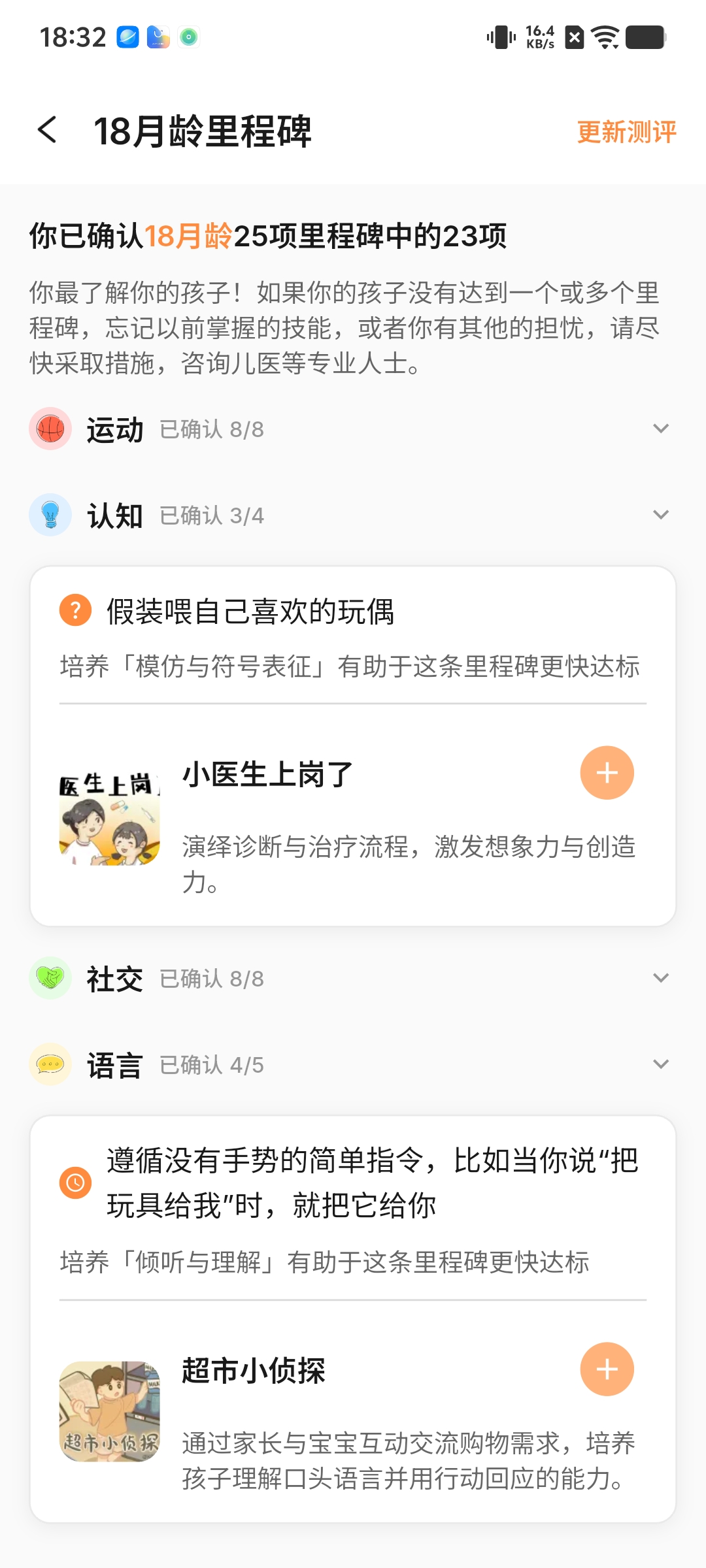
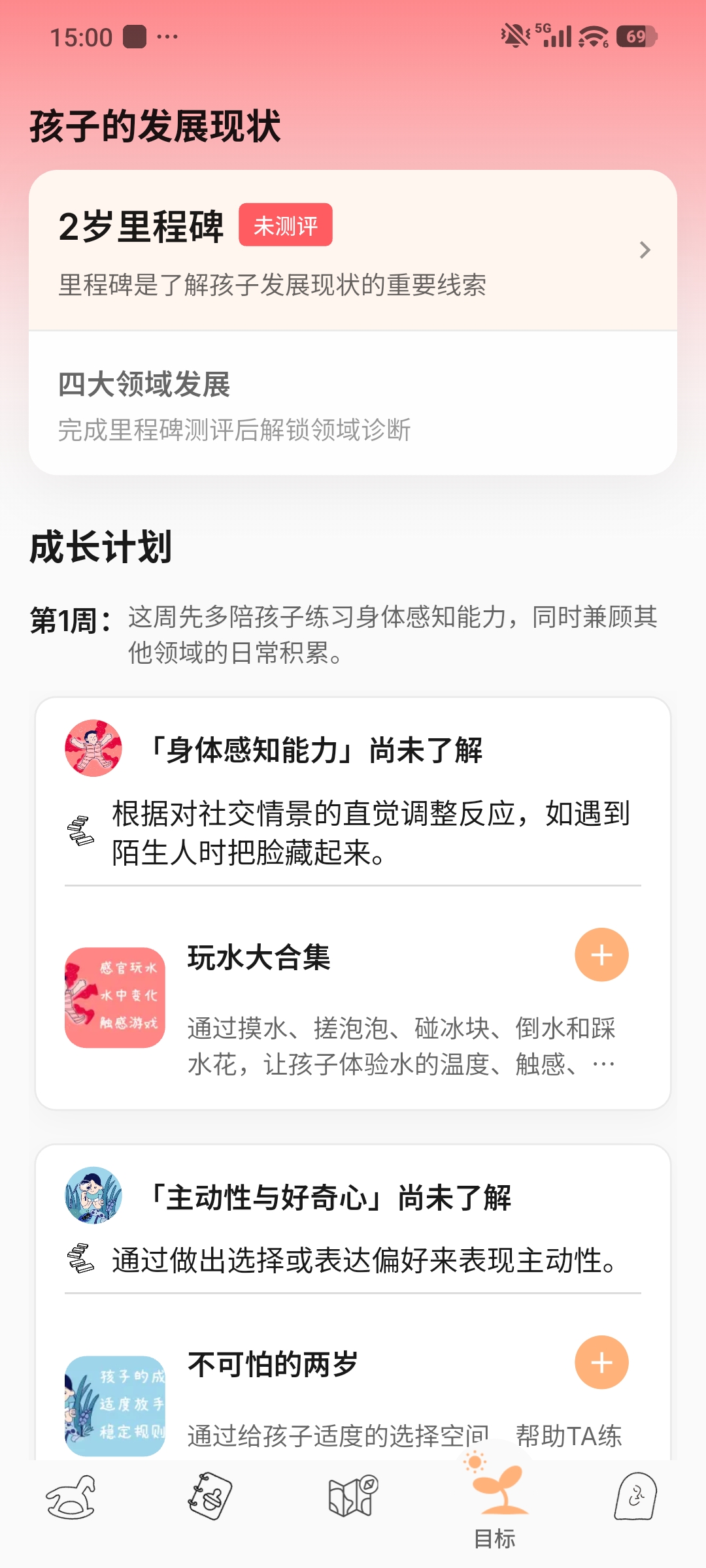
- Start with a clear foundation: View age-based milestones across Movement, Cognitive, Social/Emotional, and Language development.
- Answer from real observation: Use what you have seen in daily life; you do not need to teach your child to perform an item on demand.
- Turn concern into a concrete next step: If an item has not been observed, read its explanation, find natural opportunities to notice it, explore related activities, and follow any professional guidance attached to the item.
What is a developmental milestone?
Better Parenting milestones describe important behaviors that about 75% of children can be observed doing by a specific age. The list brings together public information from CDC, UNICEF, and other sources, aligned by Better Parenting to the same approximate 75% reference level.
Milestones answer one question: “Have the important foundations for my child's current age appeared?” They do not measure talent or future potential, and they are not used to rank children against peers.
Learn how milestones and skills differ
How to complete a Milestone Assessment
1 | Open your child's current age
Better Parenting shows milestones for your child's actual age, organized across Movement, Cognitive, Social/Emotional, and Language development. The suggested age on an activity helps you judge whether the play idea may be easy to start; it does not replace your child's actual age.
2 | Check each item using everyday behavior
The question is not whether your child can perform after a prompt, demonstration, or quick lesson. It is whether you have already observed the behavior naturally. If you are unsure, keeping that uncertainty is more useful than guessing.
3 | See the four-domain foundation, then open individual items
The result helps you see which foundations have been confirmed in each domain and which still need observation. Better Parenting does not compress every item into one total score.
4 | Keep going with an item that is not yet confirmed
Open the original milestone and its explanation, see how you might notice it in daily life, browse related activities, and check whether the source provides guidance about seeking professional advice.
What should I do if I have not observed an item?
If you are simply unsure
Perhaps there has not been a good opportunity, you do not remember, or your child did not show the behavior in an unfamiliar setting. Try again at a familiar time and in a natural context. There is no need to quiz your child on the spot.
If you are confident it has not appeared yet
First understand what the behavior is actually asking. Then create natural opportunities through everyday interaction. Related activities help your child try and help you keep observing; they do not turn a milestone into a test that must be passed.
If the item includes advice to seek further help
Follow the guidance attached to that specific milestone and contact your child's pediatrician or another qualified healthcare professional. There is no single waiting period that applies to every milestone. Seek advice promptly if your child loses a skill they previously used or if you remain concerned.
One behavior that has not appeared does not automatically mean developmental delay. At the same time, “every child is different” should not be used to dismiss a clear concern.
A real example: following a simple direction without a gesture
At 18 months, “Follows one-step directions without any gestures, like giving you the toy when you say, ‘Give it to me’” is a Language milestone. The question is whether your child can understand and act from the words alone in everyday life—not whether they can complete the request when an adult also points to the answer.
If this has not been confirmed, Better Parenting explains the item and connects it to activities such as Supermarket Detective. During getting dressed, shopping, putting things away, or other familiar routines, you can keep observing how your child understands and responds instead of repeatedly asking them to prove it.
What do you get after the assessment?
Every answer helps Better Parenting understand a related ability more fully. You can see the foundations for the current age, then open a domain to understand which observations support the result, what still needs to be noticed, and which activities may help.
The Growth Plan can also use these latest results, but it is not a “fix whatever is missing” list. When foundations are secure, your child can still receive opportunities suited to their development.
Common questions
Why are milestones not “the earlier, the better”?
Milestones confirm whether important age-based foundations have appeared. They are not rewards for being early or tools for peer comparison. One item appearing early cannot represent your child's overall development.
What is the difference between “not sure” and “not yet observed”?
“Not sure” may mean that no suitable opportunity has occurred, you do not remember, or the context was unfamiliar. “Not yet observed” means that you have had sufficient natural opportunities and still have not seen the behavior. The next step may differ, so answer honestly.
How often should I check milestones?
Review them when your child enters a new age band, when an earlier answer has changed, or when you have a specific concern. You do not need to repeat the assessment frequently just to refresh the result.
Does one milestone that has not been observed mean we need to see a doctor immediately?
There is no one answer for every item. Read the source and guidance for that milestone. Contact your child's pediatrician or another qualified healthcare professional promptly if the source recommends it, if your child loses a previously used skill, or if you have other continuing concerns.
Start with the foundations for your child's age
- Browse on the website: View milestones and explanations for your child's current age.
- See your child's result: Download Better Parenting and check each item from what you have observed in daily life.